World News Headlines and Global Events Happening This Month
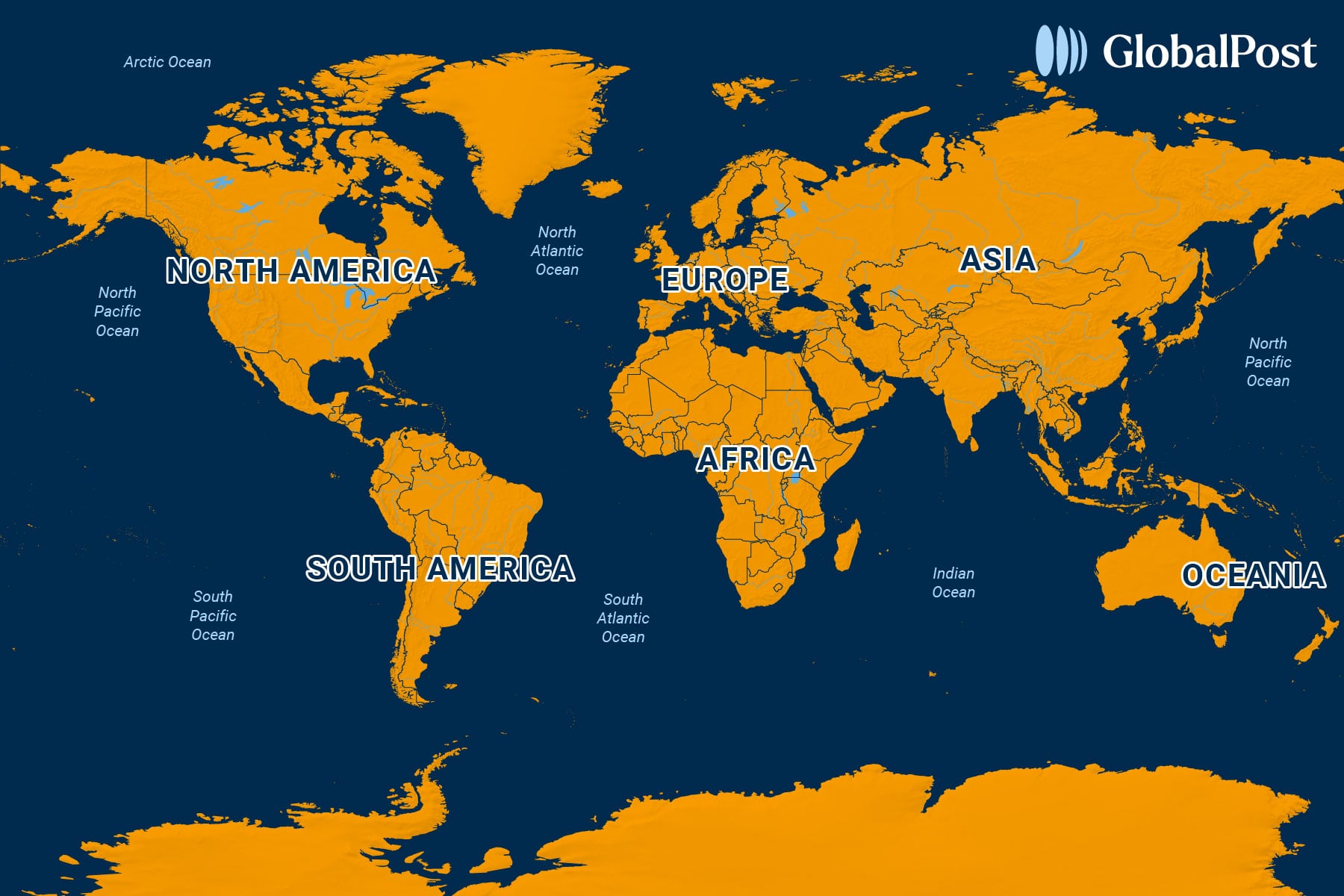
Big global stories are moving fast this week, from new economic shifts in Europe to major diplomatic talks in Asia. Leaders across the world are trying to solve hard problems while regular people feel the real effects at home. Keeping up with global news helps us make sense of how our own local price tags and daily lives might change soon.
If you want the quick truth, the biggest global events right now focus on trade rules, energy prices, and political elections that shake up old alliances. Nations are making quick deals to protect their food supply and keep power grids running. Here is a clear look at what is happening around the globe right now and why it matters to you.
Big Political Changes Across Major Countries
Elections across several continents are changing who sits in power and how those leaders treat their neighbors. When voters choose a new president or parliament, the local rules often switch within weeks. We are seeing new faces step up with very different ideas about spending tax money and handling border checks.
For example, recent political shifts in North America have made global leaders rethink their current trade deals and security promises. Overseas governments pay close attention to domestic votes because a single election result can alter global treaties almost overnight. You can see how Iran reacts to US midterms rout to understand how one country's domestic vote shifts foreign policy far across the map.
In Europe, coalitions are forming as smaller political parties gain more seats in government. These new leaders are pushing for laws that focus on local jobs and strict control over foreign imports. When national governments change their focus, international groups have to work much harder to keep everyone on the same page.
People living in these countries often feel the results right away. New leaders might change taxes, alter public transport plans, or update school funds. Watching these government changes gives us a clear window into how world policies will move over the next few years.

What Is Happening with the Global Economy Right Now?
Many readers wonder how world headlines impact their own wallets, and the economic picture is top of mind for millions. Central banks in several large countries are adjusting interest rates to try to keep food and housing costs steady. Prices for simple items like bread, gas, and milk are still moving up and down depending on international trade routes.
Shipping lanes in major ocean corridors have faced delays this year, which adds extra cost to everyday goods. When a cargo ship has to take a longer path around a continent, the price of shoes, phones, and car parts goes up for shoppers everywhere. Business owners are trying to buy materials closer to home so they do not get stuck waiting on late deliveries.
Jobs in technology and manufacturing are also moving across borders as companies search for lower costs. Some countries are giving cash rewards to factories that build green technology, like solar panels and electric batteries, right on home soil. This creates new work for local crews while taking business away from older trade hubs.
Even small changes in global finance can ripple down to your local bank. When huge economies slow down or speed up, mortgage rates and savings returns change for normal families. Staying informed about economic news helps you plan your personal budget with fewer surprises.
Energy Supplies and Climate Decisions Around the Globe
Energy is another huge story hitting the news cycle every single day. Countries are racing to secure enough oil, gas, and clean power to keep their towns running during cold winters and hot summers. At the same time, world leaders are meeting to set hard limits on pollution and carbon output.
Many places in South America and Africa are investing heavily in new solar fields and wind farms to power remote towns. These projects bring electricity to places that never had a reliable power grid before. It opens up new chances for kids to study at night and for small shops to keep food cold.
Meanwhile, traditional power sources are still causing debate among top decision makers. Some nations are turning back to nuclear power plants to guarantee a steady stream of electricity without burning fossil fuels. Others are building massive battery banks to store extra power made on windy or sunny days.
Weather events are also forcing cities to spend more cash on emergency planning. Floods, heavy storms, and hot spells mean local crews must rebuild roads and bridges to be much stronger than before. These climate events show how deeply environmental choices affect everyday city budget plans.
Science and Technology News Making Waves
Away from politics and money, scientific breakthroughs are making real progress across the world right now. Health researchers in several labs just shared positive results for new treatments against widespread diseases. These breakthroughs mean better care could reach local hospitals much faster than people thought possible a few years ago.
Space agencies from different nations are also working together on fresh moon missions and deep space cameras. Private companies are sending up low-cost satellites every week to provide high-speed internet to far-off villages. This digital connection lets farm towns check real-time market prices and order farm tools without traveling for days.
Artificial intelligence tools are being built into simple phone apps used by doctors, teachers, and small shop owners worldwide. A nurse in a rural clinic can now use a mobile phone to help spot health issues early. Technology is closing the gap between huge big-city hospitals and small community care centers.
You can read more about how tech trends shape daily life by browsing earnswithnadeem blog updates for regular coverage. Tracking these modern tools shows us how fast work habits and schooling are changing for the next generation.
How International Peace Efforts Are Moving Forward
Keeping peace across borders remains one of the toughest jobs for international leaders today. Diplomats are constantly meeting in neutral cities to write up safety agreements, stop active fights, and trade prisoners. These meetings often go on for days behind closed doors before any final deal gets signed.
Aid workers are on the ground in conflict zones helping families find clean water, safe shelter, and medical care. Non-profit groups rely on open borders and safety promises from warring groups to deliver trucks packed with emergency food. When peace talks succeed, these aid crews can reach thousands of extra people who need urgent support.
Security groups are also looking out for digital threats aimed at power grids and bank systems. Cyber defense has become just as important as protecting physical borders with soldiers and ships. Nations are sharing code fixes and security warnings with each other to stop group attacks before they break local services.
Peace effort news might seem distant, but it directly touches global trade, safety standards, and travel rules for everyone. When regions become peaceful, local markets reopen, families rebuild, and global travel becomes safer for all of us.
Why Following International Events Helps You Everyday
Reading world headlines is not just for experts sitting in university offices. The stories happening thousands of miles away end up touching the cost of your groceries, the price of your home heating, and the stability of your job. Being aware of major global events gives you a big head start when changes arrive in your town.
It also helps you understand people from different cultures and backgrounds when you hear their real stories in the news. You get to see how families in other countries tackle the exact same daily struggles with work, health care, and raising kids. That global view builds empathy and helps us see the bigger picture clearly.
How often do you check in on international stories during your week? Taking just five minutes a day to scan world news can make you a smarter shopper, a better voter, and a more thoughtful neighbor. Keep your eyes on the big picture, because our connected world moves faster every day.


Comments
Post a Comment