SS United States Ocean Liner Sinks Off Florida to Become Reef
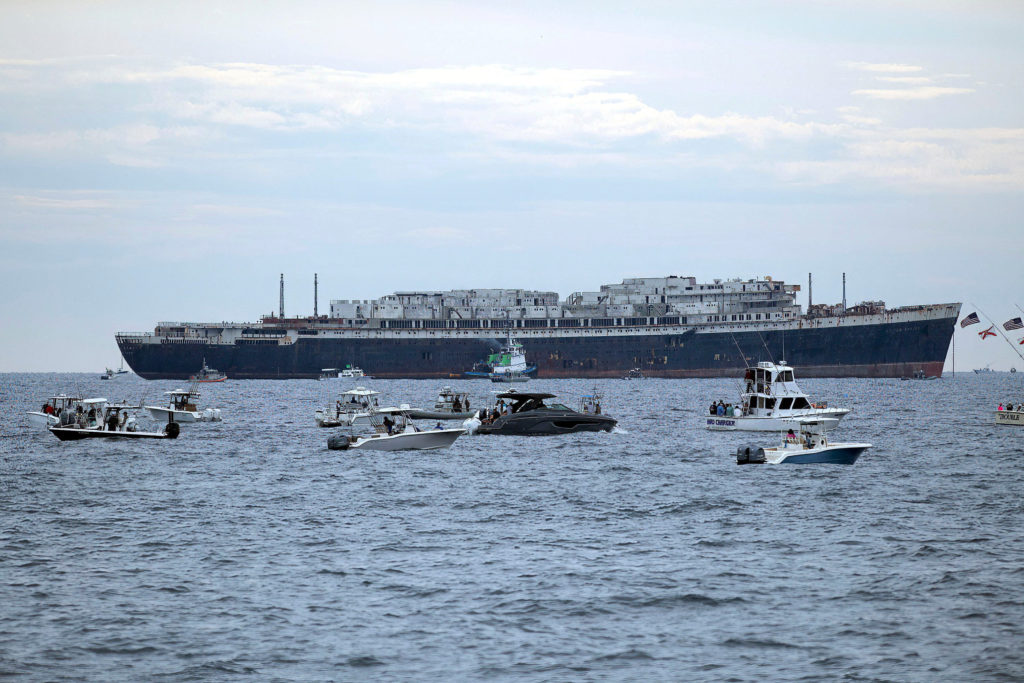
The famous SS United States ocean liner sank off the coast of Florida yesterday. Workers sent the massive boat down to the sea floor to turn it into a giant artificial reef. The historical vessel once held the record as the world's fastest ocean liner.
Why did the SS United States sink off Florida?
People watched the ocean liner go down off the coast of Florida to start a new underwater project. The goal is to let nature take over the giant steel structure. Marine life will slowly move into the ship and build a brand new home on the ocean floor.
Creating reefs from old ships is a common way to help underwater creatures. When a big boat sits on the sea bed, fish and plants get a safe place to live and grow. Over time, the ocean liner will become a busy site for divers and marine life experts to explore.
What is the history of the SS United States?
This big ship has a long and famous past on the open ocean. It earned global fame as the world's fastest ocean liner when it set speed records many years ago. It remains an icon of classic travel and engineering history for people around the globe.
Many old structures around the planet hold special value, much like a recognized World Heritage Site that people work hard to protect. Even though this famous boat will no longer sail across the sea, putting it underwater keeps its legacy alive in a new way for future generations.
How does an artificial reef help ocean life?
Old ships make great homes for sea animals after workers clean them up and sink them. The hard surface of the hull gives small water plants and corals a solid place to attach and grow safely. Here are some key points about how this project works:
- The ship sinks to a specific spot on the sea floor off Florida.
- Fish use the inner rooms and halls to hide from larger predators.
- Small plants cover the steel surface and attract more sea animals over time.
- Divers can visit the site to watch the marine life grow.
Scientists monitor projects like this to see how animals adapt to new man-made habitats underwater. Environmental groups often check the conservation status of local sea species to make sure reef projects are helping the nearby wildlife thrive.
What will happen next with the sunken ocean liner?
Now that the ship rests on the bottom of the sea, nature will quickly take over the area. Tiny ocean creatures will start moving onto the metal walls within just a few weeks. Larger fish will follow soon after as they look for food and shelter around the big wreck.
Local teams in Florida will keep a close eye on the site to see how fast the new reef develops. People who love history and ocean life can watch videos of the sinking while divers get ready to explore the new underwater spot in the future.


Comments
Post a Comment